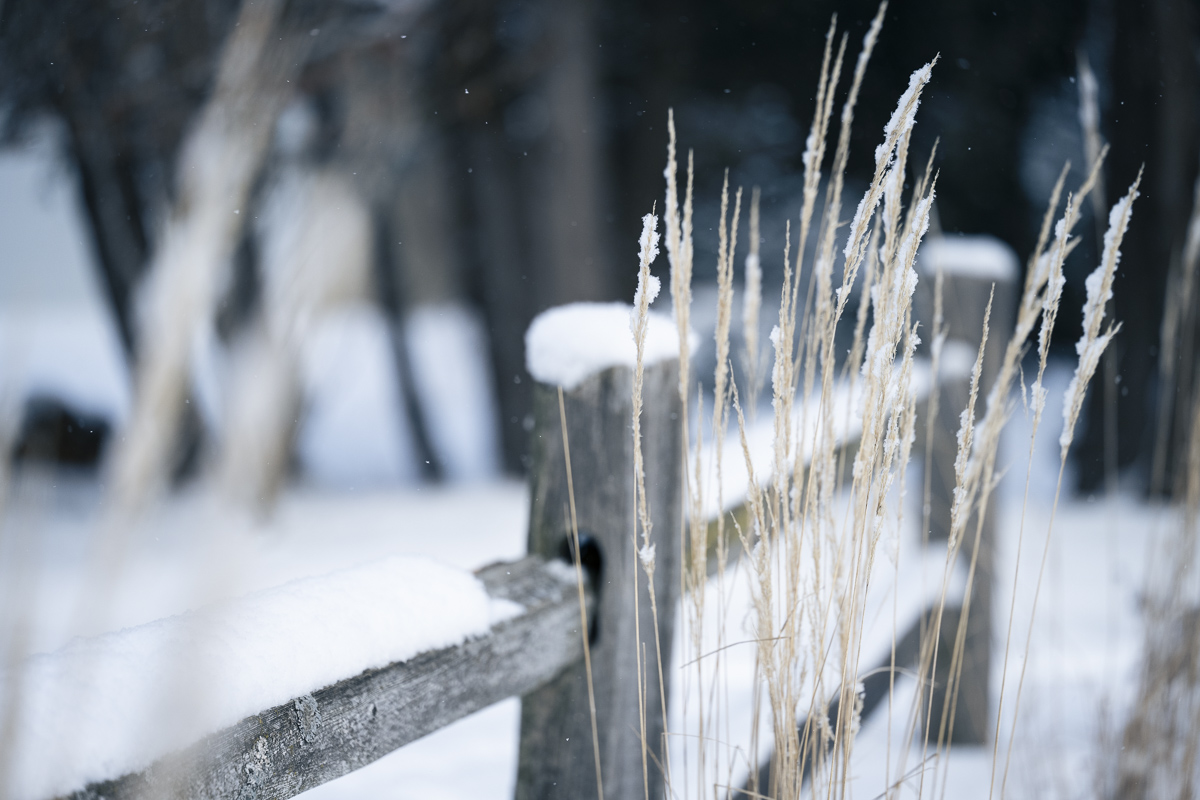
It’s November 1, and I planted the garlic today. Flurries laid on the ground in the shadows, leftovers from yesterday’s first dusting. Warm sun hung above me, but the air was cold. It’s time.
Unfortunately, the timing is rough this year because I’m also battling a case of pneumonia right now. In a few days or weeks when I’m fully recovered, the ground may be frozen or sodden with wet mud and leaves, and then I will have missed the opportunity to sow. Ailing or not, the season is upon me now.
I broke each clove apart, gently resting each gauzy bit into the ground. Pushing earth over the top, I then covered everything with straw. As I did so, I couldn’t help but think of all the people in the Middle East burying their own loved ones in a similar way. Their own bodies wrecked and suffering, but the work needs to be done. Broken flesh, mangled, wrapped in white, laid to rest in a trench. Winter stretching long ahead.
Garlic goes into the cold, unforgiving Wisconsin ground after being ripped apart. It’s laid to rest for winter, under snow, frost, and the bitter swell of frozen soil. At the time of sowing, it seems impossible that life could come from such brutal exposure. But come spring, it will be one of the first things to pop up. Green, healing, medicinal. The exact antidote to the infection raging in my lungs today.
The metaphor carries over. Jewish people have faced unimaginable brutality since their inception. The rage continues and will so in the days and years ahead. Front and center, the question facing the world seems to be whether we will cover them? Will we insulate them in their suffering or will we leave them, forsaken on the cold ground to bear the crushing season that looms overhead? Will we proclaim Israel’s victory while also loving her enemies? It is a piercing question because it is costly.
Headlines show the nations of the earth jockeying for position in what will very likely create a new Middle East and balance of global power. The chess-board of kingdomry setting up; moves and counter-moves in the culmination of the ages. For Christians, this is a pivotal point of reflection because although many Christians don’t recognize it, we follow the Jewish Messiah.
If Jesus had been born into any other ethnicity, He wouldn’t have been the Messiah. His identity, sacrifice, title, and future role are intrinsic to His Jewishness. It often comes as a great surprise to believers when they realize that Jesus at no point converted from Judaism to Christianity, nor did He found a new religion at His resurrection or assention. Further, it’s often a rattling realization for many believers that one day when they stand face to face with their savior in eternity, they will worship a Jew. The fullness of Christian hope for everlasting life rests on the shoulders of a Jewish teacher from Nazareth.
The land of Israel and the Jewish people remain an ongoing burden for Jesus. He has already secured their redemption with His blood, and for the non-Jew, His faithfulness has allowed the covenant promises and blessing of life to flow outside the ethnic bloodlines of the Jewish people and offer sonship to people from every nation, land, and tongue. But as our Jewish brother Paul states, to Israel belongs the sonship and the adoption. Not to Christians or Jews who convert. It is to the Jew first, and then to the non-Jew. That did not change at the cross or the resurrection, and remains unchanged today. Today, the epic story of God’s chosen, elect people centers around modern Israel, who once again finds herself surrounded by enemies, reliving her narrative over and over again.
Planting garlic and the suffering of Israel seem an odd pair, but the connection rang true to me today. While I am grateful for modern medicine being there when needed, I prefer natural remedies for illness. So I recognize that the burning in my lungs finds its hope in crushed, broken, buried, garlic cloves that will now endure a harsh winter with no warmth and little sunlight. I suffer little compared to the winter those cloves face. But if I do not cover them, if I do not sow into the ground at the proper time, my hope for a future harvest is gone.
The Middle East and my garden may not be the perfect analogy, but the picture is clear. Winter will come to both. Suffering will come to both. Spring will come to both. While the final trouble of Jacob may not yet be in full swing and could well be decades (or more) away, divisively unifying questions face the world now.
Do we cover Israel? Do we have compassion on her enemies swept up in the wake of her terror? And to believers, will we stand by as watchmen, looking for her season? Will we be ready to sow at the proper time? Water at the proper time? Reap at the proper time? Provide a witness to her enemies at the proper time? Our hope lies in her Messiah. Will we endure the cost of tending to His beloved as she suffers the labor of her redemption?

 Two Precious Stones